

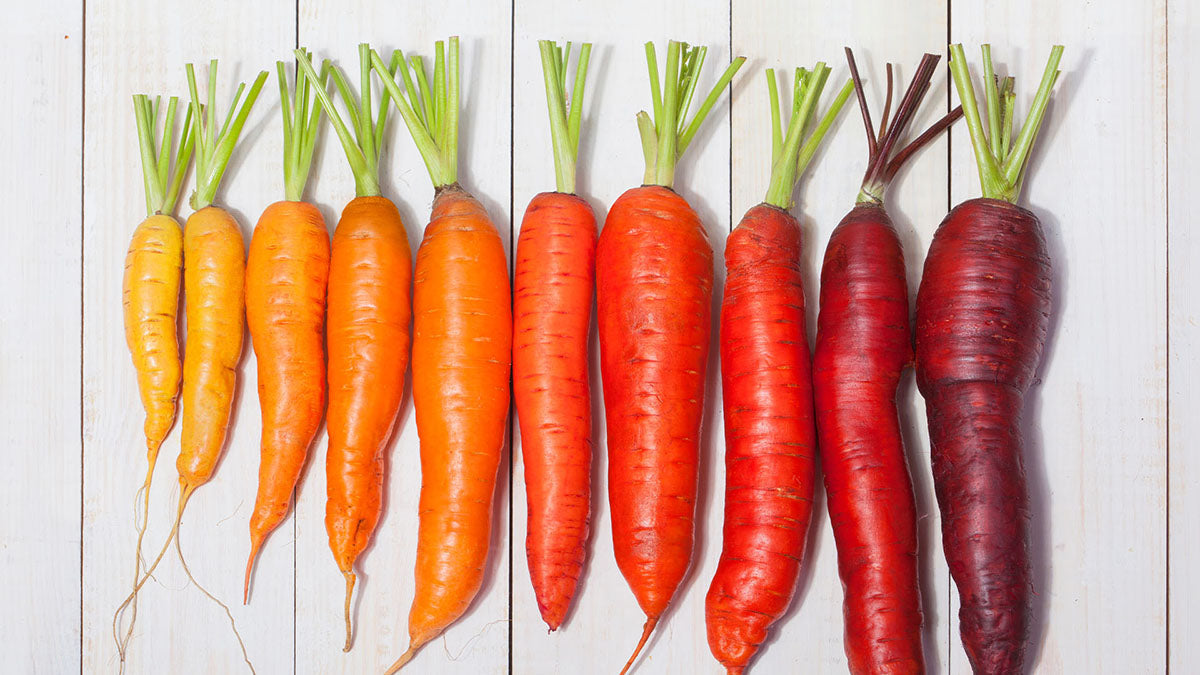


Carrots are a tasty and nutritious vegetable many of us keep in our kitchens, and pet owners want to know — can dogs enjoy carrots, too? The answer is yes, carrots are a great addition to most canine companions’ diets. Many dogs love snacking on carrots, but like anything we give our pets to eat, there are important things to know first, like how to prepare them, what serving sizes to give, and when to avoid adding them to your dog’s meal plan.
Can dogs have carrots?
Yes, dogs can eat carrots, and they offer many benefits. Carrots are healthy, crunchy, and vitamin-rich, making them a great snack choice.
- Carrot flesh: Yes, carrot flesh is a great source of fiber, nutrients, minerals, and antioxidants, and is low in calories.
- Carrot skin: Yes, dogs can have carrot skin. You don’t have to peel the carrot before feeding it to your dog, but do be sure to wash carrots thoroughly to remove dirt and any pesticide residue.
- Carrot greens: Yes, dogs can eat carrot greens. The greens are rich in vitamins and minerals but have a slightly bitter taste that can be softened by blanching or cooking.
Nutritional benefits of carrots for dogs
According to the United States Department of Agriculture (USDA), 100 grams (about 3.5 ounces or roughly two medium-sized carrots) of raw carrots provide:
- 41 calories
- 88.3 grams of water
- 9.58 grams of carbohydrate
- 4.74 grams of total sugars
- 2.8 grams of dietary fiber
- 5.9 mg of vitamin C
- 33 mg of calcium
- 320 mg of potassium
- 8,280 µg of beta carotene
Cooked carrots are also a healthy choice for dogs. Some nutrients in carrots, like vitamin C, are reduced when carrots are cooked, but the availability of others, like beta carotene, is actually increased. The cooking method matters: methods like steaming, blanching, or microwaving are preferred as they use less water, which means less loss of water-soluble vitamins like C and B.
Health benefits of carrots for dogs
Carrots are more than just a crunchy treat. Research shows they can support dogs in several ways:
-
Immune Protection
The beta carotene found in carrots can help support the immune system. Beta carotene has been shown to increase the numbers of white blood cells involved in immunity and their responses to pathogens. This can be particularly helpful in older dogs whose immune system can decline with age. -
Digestibility
In a 2019 study published in the Journal of Animal Science, researchers found that diets supplemented with carrot pomace (the fibrous residue the remains after carrots are juiced), increased the digestibility of total dietary fiber, phosphorus, and magnesium. They also found increased short-chain fatty acids, particularly acetate, which can play a crucial role in gut health. -
Vision and Eye Health
It is well documented that Vitamin A (a byproduct of beta carotene conversion during digestion) is essential for eye health and vision. It plays a critical role in the development of the cells in the eye, and it helps provide structure and function of the retina’s photoreceptor cells.
“Both raw and cooked carrots can be tasty treats for dogs and a great source of added vitamins, minerals, and fiber.”
Dr. Christina Meiners, DVM
How to safely give carrots to your dog
Whether raw or cooked, always serve carrots plain — without added fats or salt — to your canine companion. Here are some guidelines to follow:
-
Raw carrots (with or without skin)
If unpeeled, wash thoroughly to remove dirt and any pesticide residue. Serve whole as a chew or grated as a food topper. -
Frozen carrots
Freezing carrots extends the chewing experience. Frozen carrots can also serve as a healthy refreshment on hot summer days. Be aware: freezing carrots increases the risk of choking. They should therefore not be given to “gulpers” who swallow food without proper chewing. -
Cooked or blanched carrots
Lightly cook, microwave, steam, or blanch to preserve vitamins. Cooked carrots can be mashed and used as a food topper. This is the safest option for “gulpers” and the best way to include carrot greens (which are less bitter when cooked). Always allow carrots to cool completely before giving them to your dog.
Any new food or snack can potentially cause an upset stomach, especially when too much is fed at once, so always start small and monitor your dog for any issues like vomiting, diarrhea, gas, or decreased appetite.
How many carrots can dogs eat?
Like any snack or treat, carrots do not replace a complete and balanced meal that meets the Association of American Feed Control Officials’ (AAFCO) standards for your dog’s life stage. Treats, including fresh vegetables, should not make up more than 10% of your dog’s daily calorie intake. For example, if your dog eats 1,000 calories per day, no more than 100 calories should come from treats, which is roughly two and a half medium-sized carrots. You can find a pet calorie calculator on the Merck Veterinary Manual’s website, but it is always best to consult your veterinarian or a board-certified pet nutritionist on recommended calorie intake for your dog, especially if your dog is overweight, underweight, or has any known health issues.
Here’s a simple guide by dog size:
- Small dogs (under 20 pounds): Up to two medium-sized carrots per day
- Medium dogs (20–50 pounds): Up to four medium-sized carrots per day
- Large dogs (over 50 pounds): Up to six medium-sized carrots per day
Recommended Reading

Can Dogs Eat Garlic? Toxicity risks and possible benefits
A clove falls to the kitchen floor. A slice of garlic bread gets stolen off the counter. Most dog owners aren't sure...

Can Dogs Eat Ginger? A complete guide
Is ginger a superfood for dogs? In small amounts, it may ease nausea, soothe inflammation, and boost wellness — but not all...

Can Dogs Eat Onions? Recognizing and preventing Allium poisoning
A few common kitchen staples are genuinely dangerous for dogs — and onions are among them. All members of the Allium family...

Can Dogs Eat Radishes? Safe servings, risks, and when to skip them
Radishes turn up in salads, slaws, and tacos for their bright colors and their peppery crunch. If your dog takes a liking...

Can Dogs Eat Yams? Facts and recommendations
Yams are packed with nutrients for humans — but are they safe for dogs? Learn how this humble tuber can benefit (or...


Which dogs should not get carrots?
Dogs on a diet
If your dog is on a strict diet to lose weight, even a small number of extra calories can hinder that goal.
Dogs with diabetes or kidney disease
If your dog has a medical condition such as diabetes or kidney disease, your veterinarian may not recommend feeding them anything but a specially formulated prescription diet, which is designed to help manage symptoms and maintain adequate nutrition. Be sure to consult your veterinarian or a board-certified pet nutritionist before adding any foods to a pet’s prescription diet.
Can dogs eat “people foods” with carrots?
As people, we often enjoy variety in our diets, adding spices, salt, sugar, and fat to make delicious meals. However, those additional ingredients can have significant consequences for pets. At the very least, they can cause digestive upset, and at the worst, they can be toxic and require immediate veterinary treatment. It is always best to avoid giving foods to dogs that are meant for humans, especially if they contain added sugar, salt, dairy, oils, and other types of excess fat.
Carrot foods to avoid include:
- Carrot cakes, carrot muffins, and carrot bread: Avoid giving these desserts to your dog as they contain added sugar, flour, and nuts.
- Roasted Carrots: Not recommended for dogs as they are usually cooked with oil and spices.
-
Pickled Carrots: It’s best to avoid pickled carrots as they are soaked in vinegar.
Glazed Carrots: These carrots are typically baked in the oven with added sugar and/or honey, so they should not be given to dogs. - Carrot Juice: Store-bought carrot juice often contains added sugar, salt, or spices and should not be given to dogs. Fresh carrot juice without any additives can be considered, keeping in mind the maximum number of carrots that your dog should eat daily.
Conclusion
Carrots can be safely given to most dogs, knowing how to prepare them and including them as a part of your dog’s complete and well-balanced diet. They can be tasty and refreshing, and a great source of additional vitamins, minerals, water, and fiber. Remember to introduce carrots gradually and consider trying both raw and steamed varieties. If your dog has a special medical condition, always consult your veterinarian or a board-certified canine nutritionist before adding any new food or treats to their diet.
Author


